Polynucleotides cellular repair & hydration
Polynucleotides: The Revolutionary Solution in Skin Rejuvenation and Repair
Introduction
In recent years, polynucleotides have emerged as a groundbreaking advancement in aesthetic medicine and skin rejuvenation. These naturally occurring molecules have revolutionized how we approach skin repair and regeneration, offering a sophisticated solution to various skin concerns. This comprehensive guide will explore everything you need to know about polynucleotides, from their basic structure to their transformative effects on skin health.
Understanding Polynucleotides
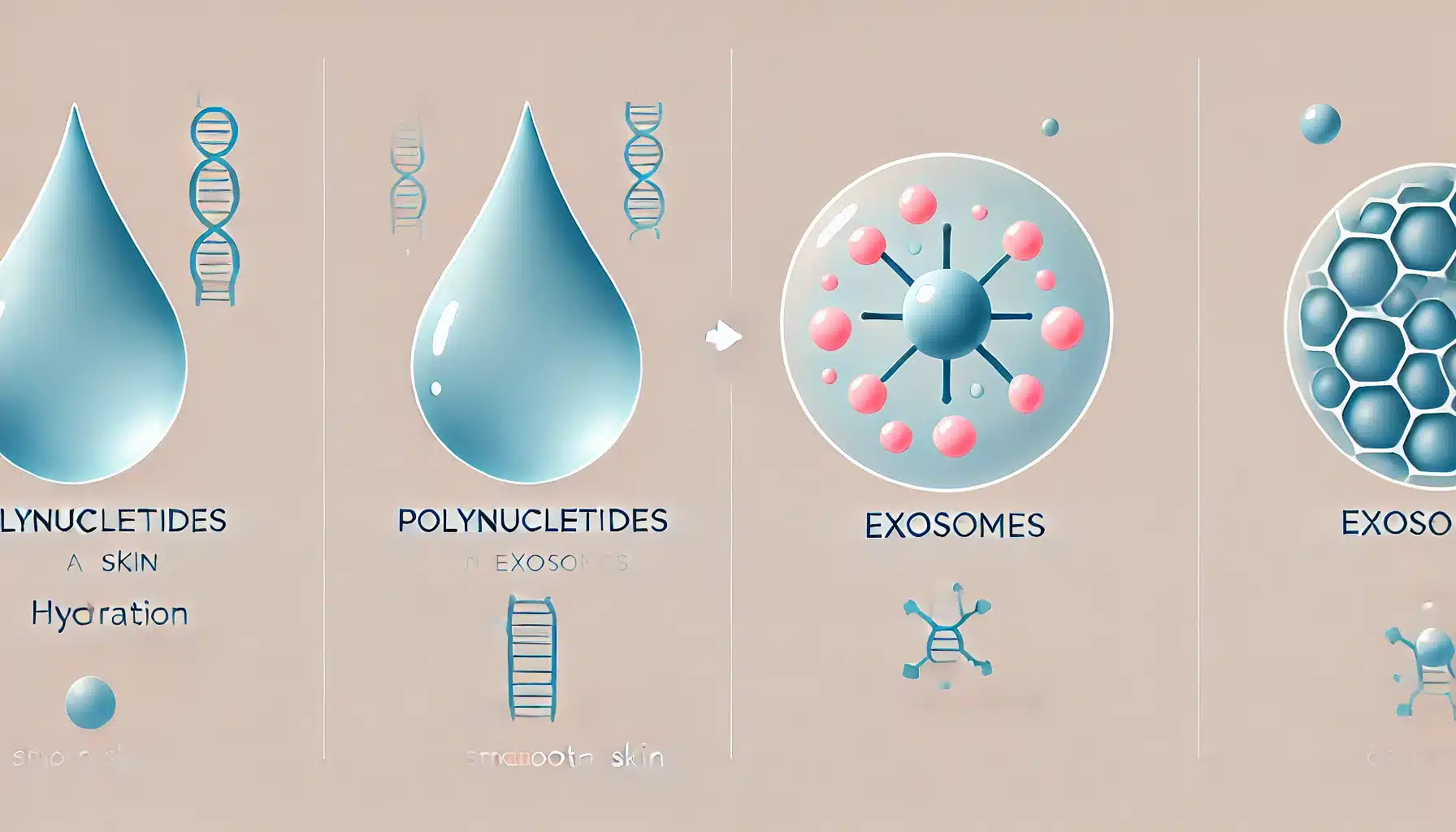
Polynucleotides are long-chain molecules composed of nucleotides – the same building blocks that make up our DNA and RNA. These biological polymers play a crucial role in cellular function and tissue repair. In aesthetic medicine, highly purified polynucleotides (PNs) are derived from specific DNA sources, typically fish DNA, which has shown remarkable compatibility with human tissue.
Key Components:
- Nucleotides: The basic structural units
- Phosphate groups
- Sugar molecules (deoxyribose or ribose)
- Nitrogenous bases
How Polynucleotides Work in Skincare
Polynucleotides function through several mechanisms to improve skin health and appearance:
Cell Proliferation Stimulation
- Activates fibroblast production
- Enhances cellular turnover
- Promotes tissue regeneration
Extracellular Matrix Support
- Strengthens structural proteins
- Improves skin elasticity
- Enhances collagen production
Hydration Enhancement
- Creates a moisture-binding environment
- Improves skin hydration levels
- Maintains optimal tissue hydration
Benefits and Applications
Polynucleotides offer a wide range of benefits for skin health:
Immediate Benefits:
- Deep hydration
- Improved skin texture
- Enhanced skin luminosity
- Reduced inflammation
Long-term Benefits:
- Increased collagen production
- Enhanced skin elasticity
- Improved wound healing
- Reduced appearance of fine lines and wrinkles
- Better skin quality and texture
Treatment Areas and Conditions
Polynucleotides can effectively treat various areas and conditions:
Face and Neck:
- Fine lines and wrinkles
- Loss of elasticity
- Dehydrated skin
- Sun damage
- Acne scars
Body:
- Stretch marks
- Surgical scars
- Aging skin
- Body rejuvenation
Specific Conditions:
- Aging-Related Issues: Photo-aging, chronological aging, loss of firmness
- Skin Damage: UV damage, environmental stress, post-inflammatory marks
- Scarring: Acne scars, surgical scars, stretch marks
The Science Behind Polynucleotides
The effectiveness of polynucleotides is backed by scientific research and clinical studies:
Molecular Mechanism:
- Cell Signaling: Activation of growth factors, stimulation of repair pathways, enhancement of cellular communication
- Tissue Regeneration: Promotion of angiogenesis, support of tissue repair, enhancement of healing processes
- Antioxidant Effects: Protection against free radicals, reduction of oxidative stress, prevention of cellular damage
Treatment Process and Protocol
A typical polynucleotide treatment follows a structured protocol:
Pre-treatment:
- Consultation and skin assessment
- Medical history review
- Treatment planning
- Photography for documentation
During Treatment:
- Skin cleansing and preparation
- Application of topical anesthetic (if required)
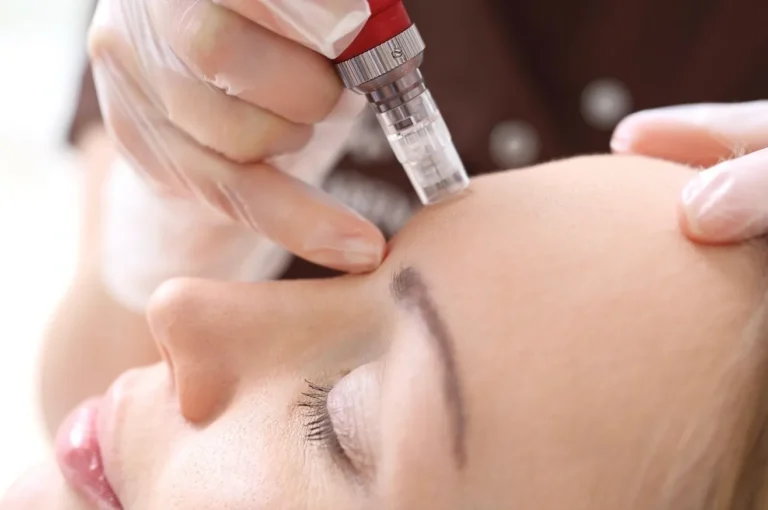
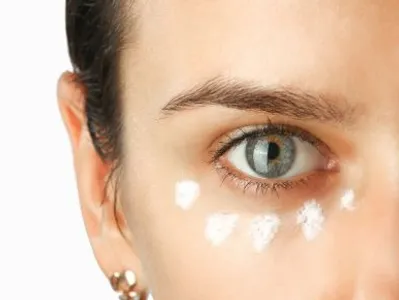
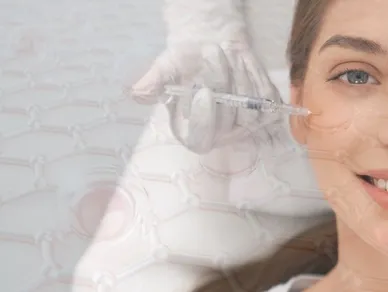
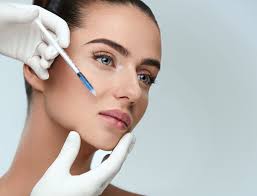
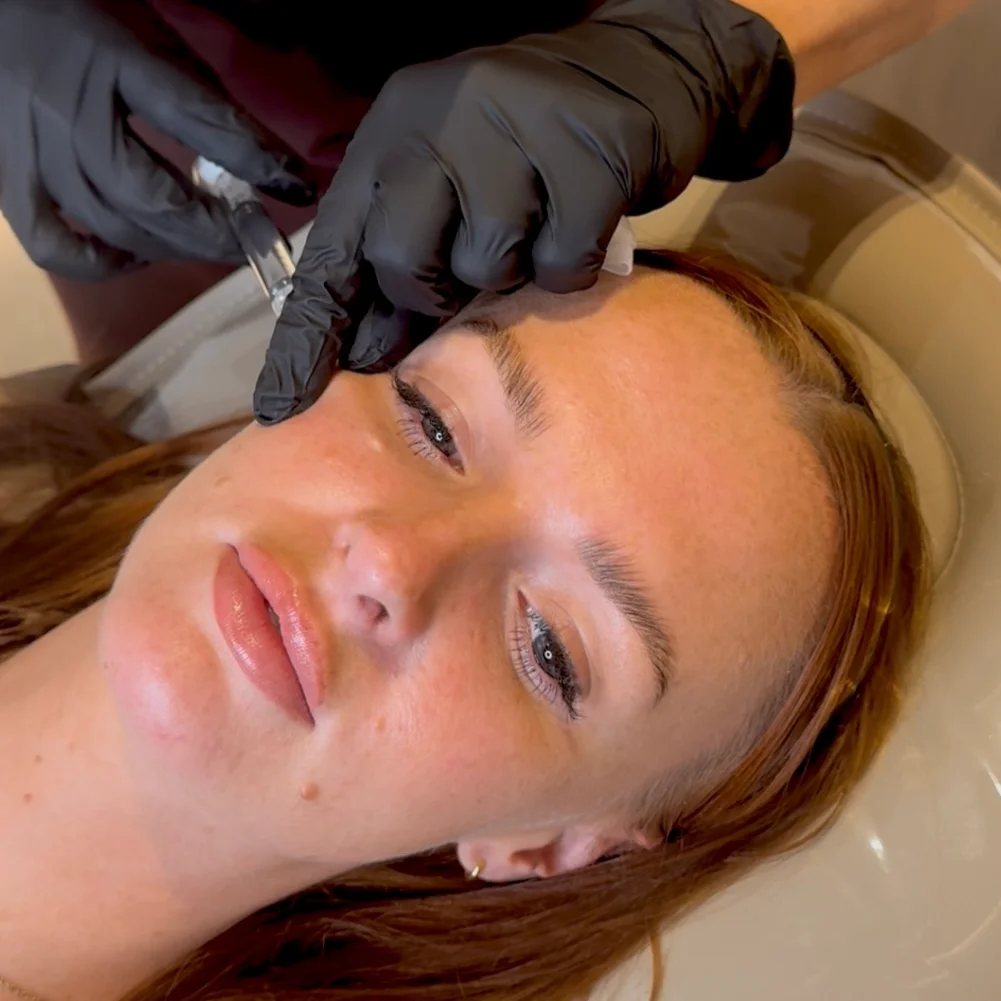
- Administration of polynucleotides via: Injection, Microneedling, Topical application
Post-treatment:
- Cooling and calming procedures
- Post-care instructions
- Follow-up schedule
- Maintenance plan
Expected Results and Timeline
Results from polynucleotide treatments typically develop as follows:
Immediate Results:
- Improved hydration
- Enhanced skin texture
- Subtle luminosity
Short-term Results (2-4 weeks):
- Reduced fine lines
- Improved skin texture
- Enhanced hydration
- Better skin tone
Long-term Results (3-6 months):
- Increased collagen production
- Improved skin elasticity
- Reduced scarring
- Overall skin rejuvenation
Safety and Side Effects
Polynucleotides have an excellent safety profile:
Common Side Effects:
- Mild redness
- Temporary swelling
- Minor bruising
- Slight tenderness
Safety Considerations:
- Contraindications: Pregnancy and breastfeeding, active infections, autoimmune conditions, blood disorders
- Precautions: Avoid sun exposure, follow aftercare instructions, report any unusual reactions
Comparing Polynucleotides with Other Treatments
Understanding how polynucleotides compare to other treatments:
Vs. Hyaluronic Acid:
- More sustained results
- Better tissue regeneration
- Enhanced biological activity
Vs. PRP (Platelet-Rich Plasma):
- More standardized treatment
- Less preparation required
- Consistent results
Vs. Traditional Moisturizers:
- Deeper penetration
- Long-lasting effects
- Biological activity
Frequently Asked Questions
Q: How long do results last?
A: Results typically last 6-12 months, depending on individual factors and maintenance treatments.
Q: Is the treatment painful?
A: Most patients experience minimal discomfort, and topical anesthetic can be used if needed.
Q: How many sessions are needed?
A: A typical protocol includes 3-4 initial sessions, followed by maintenance treatments.
Q: Can polynucleotides be combined with other treatments?
A: Yes, they work well with various other aesthetic treatments, enhancing overall results.
Conclusion
Polynucleotides represent a significant advancement in skin rejuvenation and aesthetic medicine. Their natural origin, comprehensive benefits, and excellent safety profile make them an invaluable tool in modern skincare. Whether addressing aging concerns, skin damage, or general rejuvenation, polynucleotides offer a sophisticated solution that works at the cellular level to promote lasting improvements in skin health and appearance.
By understanding and utilizing polynucleotides effectively, practitioners can offer their patients a powerful treatment option that delivers both immediate and long-term benefits. As research continues and applications expand, polynucleotides are likely to remain at the forefront of aesthetic medicine, providing increasingly refined solutions for skin rejuvenation and repair.