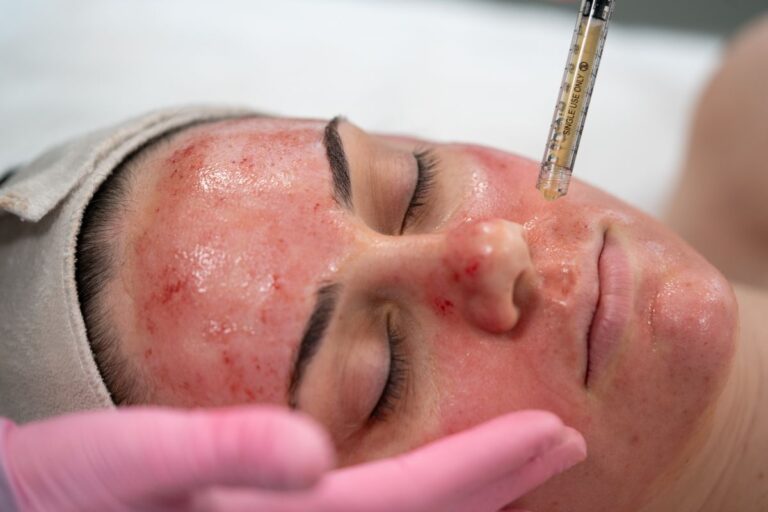

Hyaluronidase Dermal Filler Dissolving


Undo Dermal Filler Mistakes Safely: Discover the Power of Hyaluronidase Dermal Filler Dissolver
Hyaluronidase is an enzyme (compounded by special pharmacies) that causes hydrolysis (breakdown) of hyaluronic acid. It is often referred to as a reversal agent for hyaluronic acid-based fillers. When the enzyme is injected, it dissolves the synthetic hyaluronic acid filler, leaving your own intact.
Have your fillers gone wrong? Many patients come to us from other practices or mobile providers describing ‘wonky lips’, ‘trout pout’, unevenness, ‘duck lips’ or other ghastly lumps, bumps and nasties following their dermal filler treatment.
Hyalase is an enzyme that dissolves fillers of all types. It can be used to correct poor aesthetic outcomes, lumpy results and is also the first line treatment in a vascular complication due to a filler emergency. You may have heard people say they’ve had their lips dissolved or had the fillers taken out. They will be referring to Hyalase treatment. Hyalase is a great product which can remedy many poor outcomes, but it must be prescribed by a qualified medical professional with a prescribers’ license.
What we offer at London Body Centre
Hyalase not only dissolves lip fillers and dermal fillers, it also dissolves the surrounding tissues! It should only be used in cases where:
- There is a suspected vascular complication
- Too much filler has been used and is damaging tissue or compressing vessels
- Too much filler is compressing nerves and causing loss of sensation
- Blood flow is being obstructed by filler treatment
It’s best to come along for a consultation and speak to the doctor, because you might not even need hyalase to fix things and there may be a less invasive method that could produce a better result that you’re happy with.
There are many risks associated with Hyalase. Its bovine origin (made from bull’s testicles) means it contains animal protein which many people are allergic to. You will be allergy tested before treatment to avoid life-threatening consequences.
Hyalase is a treatment of last resort and the laissez-faire attitude of some practitioners towards this product is alarming.
Sometimes when filler goes wrong there are more serious consequences. Patients can get infections, severe bruising and suffer blocked veins and arteries resulting in the tissue literally dying and rotting on your face. These types of filler emergencies can often be avoided, and you must be able to separate the common side effects of filler from medical complications requiring emergency assistance.
Common side effects of Dermal filler
- Common side-effects include bruising, bleeding and swelling, which will usually get better on their own.
- Infections from dermal filler are thankfully rare but can be very serious so need to be treated immediately.
- Nodules, lumps and bumps can occur, either immediately after filler or after some time has passed.
- Allergies to fillers are extremely uncommon. But allergy to latex gloves is much more common and many unlicensed practitioners will still be using latex gloves or not using gloves at all!
- Allergy to hyalase is more likely and you must be allergy tested before it is used to avoid the possibility of an allergic reaction.
- Vascular complications and blindness can occur and must be treated as a medical emergency.
- Uneven results and poor aesthetic results are common and may require treatment.
- Pain at the treatment site can occur postoperatively but increasing pain may be a sign of infection and should be investigated.
Unlocking Beauty Secrets: Dermal Filler Dissolving Explained
Discover the magic behind flawless skin! Learn how London Body Center’s dermal filler dissolving process works step-by-step. Trust our expertise for safe and effective beauty transformations. Get started today!
How does it work?
You will have an in-depth consultation. Here there will be paperwork to be filled out and there will be a patch test.
Before the Dermal Filler Dissolving treatment
At London Body Centre we shall have a face-to-face consultation prior to proceeding with this treatment. It really is a last resort treatment.
During the Dermal Filler Dissolving treatment
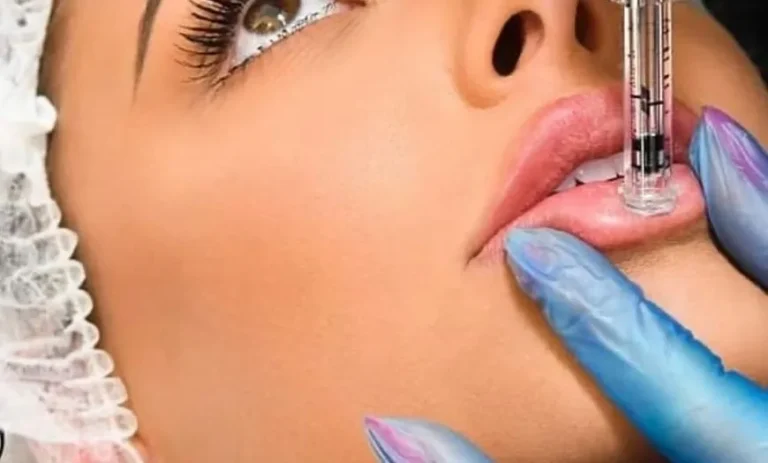
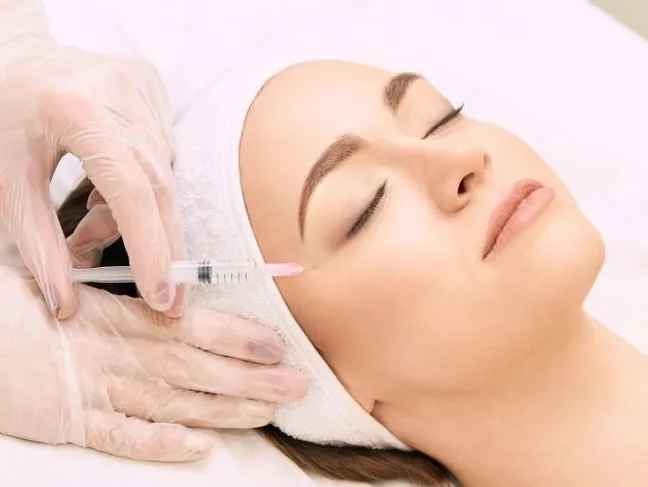
The area of concern shall be cleaned and prepared. Hyaluronidase shall be injected in small amounts in the area and slowly massaged in to encourage the breakdown of the filler.
What results can I expect to see and how many do I need?
Bruising and swelling post-treatment are common. When injected, hyaluronidase has an immediate working effect on HA in tissue. It is known to have a half-life of around two minutes, however, its duration of action is longer at around 48 hours.
Facts you need to know
Hyaluronidase works very quickly, with most of the effect taking place within 24 hours. You should be able to see defined improvement and less filler in the area injected, beginning within a few hours. After a few days, you will know if you still have areas that need correction.
Hyaluronidase should not negatively impact your natural tissue. However, it can take a series of treatments to dissolve filler.
Hyaluronidase is used together with fluids injected into the body to treat dehydration. Hyaluronidase can also be used as an aid in helping your body absorb other injected medications. Hyaluronidase is also used to help contrast dyes in your body show more clearly on certain types of x-rays or scans.
What are the side effects of hyaluronidase?
- Blurred vision
- Dizziness, faintness, or lightheadedness when getting up suddenly from a lying or sitting position
- Fast, pounding, or irregular heartbeat or pulse
- Nausea or vomiting
- Redness of the skin
- Swelling
- Unusual tiredness or weakness
- Unusually warm skin
Treatment overview
PROCEDURE TIME: Between 35 – 65 mins
DOWNTIME: Typically min 2/3 days due to swelling
DURATION OF RESULTS: Maintenance courses may be required
Expert Answers: Dermal Filler Dissolving FAQ
Unlock the secrets of dermal filler dissolving with London Body Center’s comprehensive FAQ guide! Get expert insights into safety, results, downtime, and more. Trust us for your beauty journey. Explore now!
Can hyaluronidase dissolve natural tissue?
Hyaluronidase does not destroy your own tissue in any way. Hyaluronidase is an enzyme (found naturally in your body) that breaks hyaluronic acid (HA) down. Hyaluronidase will remove the filler 100% if you place it on or as close as possible to the injected filler.
What do you mix Hyalase with?
Hyaluronidase may be reconstituted with either saline or water for injection (Hyalase SPC). Saline is less painful on injection and is recommended for this reason. Although unlicensed for this purpose, bacteriostatic saline is often preferred for its additional anaesthetic properties.
What are the side effects of hyaluronidase?
Potential side effects include blurred vision, dizziness, faintness, or lightheadedness when getting up suddenly, fast, pounding, or irregular heartbeat, nausea or vomiting, redness of the skin, swelling, unusual tiredness or weakness, and unusually warm skin.
Will hyaluronidase dissolve all filler?
Hyaluronidase is used to dissolve hyaluronic acid fillers that have been placed incorrectly, excessively, or unevenly. It is injected into the same locations that the filler already is. It does not remove all the filler entirely and does not work on all non-HA filler brands.
Does hyaluronidase dissolve your own collagen?
Although Hyaluronidase is a pesky enzyme that breaks down collagen in the skin, when injected properly, it breaks down the synthetic Hyaluronic acid filler in the skin without dissolving your natural tissue.
How long does hyaluronidase stay in your system?
Hyaluronidase loses its effect in the dermis and subcutaneous tissue within 3-6 hours after the injection, and successful engraftment of reinjected HA filler can be accomplished 6 hours after the injection.
Does hyaluronidase spread?
For patients with an active infection, it is important that they are on a course of antibiotics prior to dissolving the filler. If the filler is dissolved while it’s infected, the infection will spread as the hyaluronidase breaks it down.
How long does it take for hyaluronidase swelling to go down?
Three days. Discomfort and swelling immediately following the Hyaluronidase injection can last for two or three days. An immediate allergic reaction to the injection with immediate redness and swelling can precipitate a more generalised allergic response if not detected and treated rapidly.
Is hyaluronidase prescription only?
Yes. As a prescription-only medication (POM), it should only be administered following a face-to-face consultation with a qualified medical prescriber.
How soon can you dissolve filler?
Six to 12 months. Hyaluronic fillers can take six to 12 months to dissolve on their own, this is down to an enzyme in the body called Hyaluronidases which are a family of enzymes that catalyze the degradation of hyaluronic acid. However, if correction is needed, synthetic hyaluronidase can be injected immediately after the initial filler treatment.